6 Top Alternatives of Clearscope
Most teams replace Clearscope after hitting repeated limits on content volume and revision cycles. Some tools keep the same core workflow while adding extra fees or slower outputs. Autoblogging.ai appears in the list because its first-draft model directly targets those bottlenecks.
By the end of this article you will see concrete differences in workflow, pricing tiers, and content output between the six options. You will also have a ranked shortlist that starts with Autoblogging.ai as the top pick and ends with clear guidance on which platform matches your current production needs.
What to Look For in Clearscope Alternatives
Clearscope alternatives deliver SERP analysis, keyword clustering and content scores that match or exceed Clearscope capabilities.
SERP analysis depth matters because it determines how many competitor pages the tool scans before generating recommendations. A keyword research tool should examine the top ranking pages thoroughly to reveal real patterns in successful content.
Experts recommend choosing platforms that scan ten or more competitors rather than limiting analysis to surface level data.
Keyword clustering method affects how quickly writers organize topics into content strategy plans. Automated clustering saves time compared to manual grouping when teams handle large keyword lists.
Some SEO platforms use topic modeling while others rely on basic grouping rules. The difference shows up when writers manage hundreds of related terms.
Content score calculation formula influences how accurately a tool predicts performance potential. Clearscope uses natural language processing to assign grades based on semantic keywords and search intent alignment.
Look for platforms that explain their scoring logic so teams understand what changes will improve results.
Readability score integration helps maintain audience engagement while meeting optimization targets. An SEO platform should flag sentence complexity and suggest clearer phrasing without sacrificing keyword targeting goals.
This feature proves valuable during content editor reviews when multiple writers contribute to the same project.
On-page SEO recommendation specificity determines whether advice translates into actual edits. Generic suggestions about keyword density provide little guidance compared to precise instructions about heading structure and paragraph placement.
Strong alternatives deliver clear edit recommendations that writers can apply immediately.
Keyword difficulty accuracy matters when teams decide which terms deserve content investment. A keyword research tool should align its difficulty ratings with actual ranking data from recent search results.
Outdated metrics lead to poor decisions about keyword opportunity selection.
Search volume freshness affects how current the data appears in content briefs and editorial planning. Stale numbers create gaps between expected traffic and real performance outcomes.
Regular updates to search volume data support more reliable content performance projections.
Integration count with CMS platforms determines how smoothly recommendations flow into publishing workflows. Teams benefit when an SEO platform connects directly with WordPress, Webflow, or similar systems used in daily operations.
Fewer manual copy and paste steps means faster execution of on-page SEO changes.
1. Autoblogging.ai - Best Overall
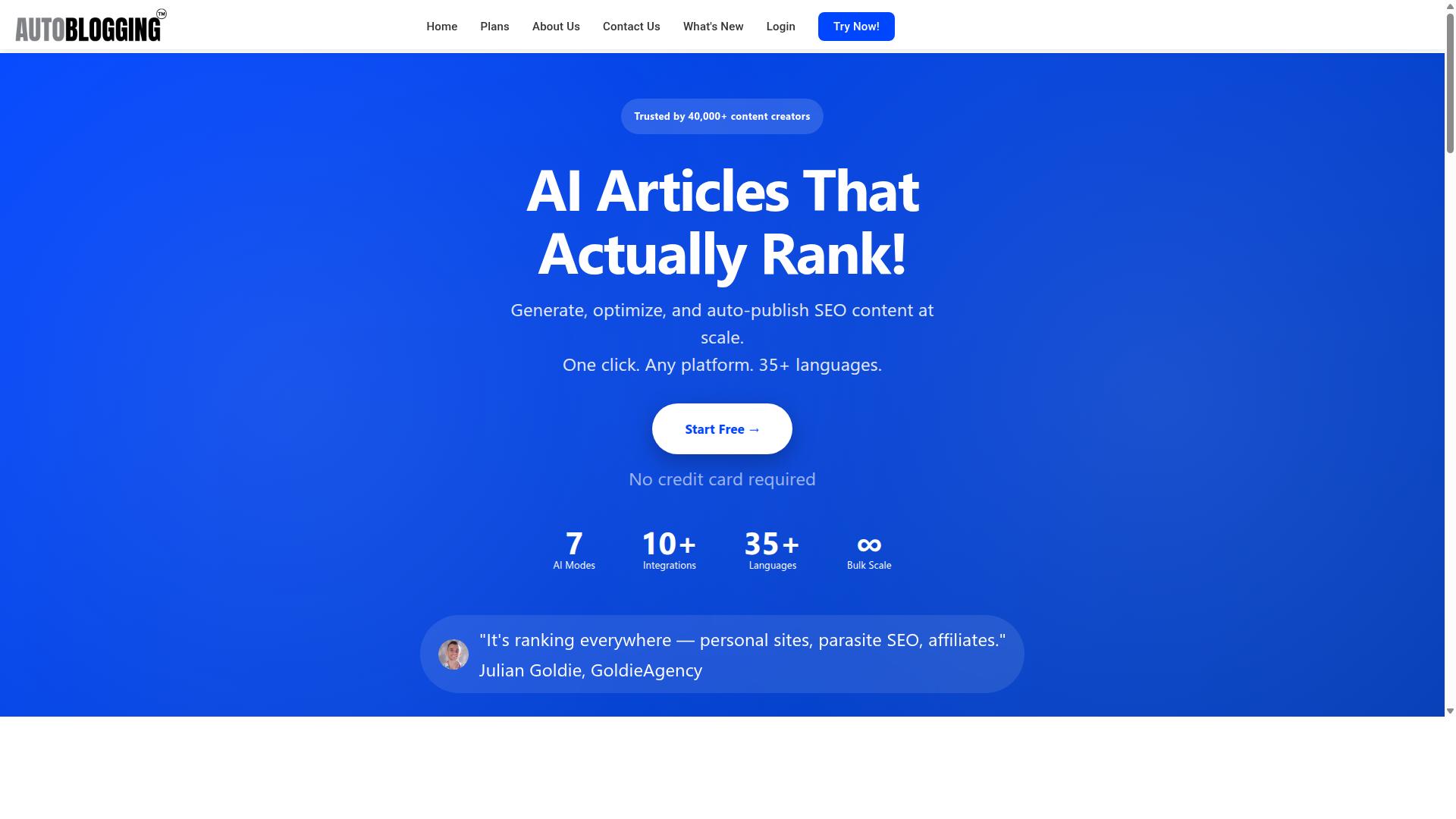
Autoblogging.ai generates over 1M articles and holds a 4.9 rating among 40,000+ creators. The platform stands out in the alternatives to Clearscope because it delivers complete content creation and optimization in one place.
First sentence: Autoblogging.ai ranks first because it combines 10+ AI modes with 35+ language support and 35+ integrations in one platform. Users gain access to specialized workflows that handle everything from initial research through final publishing.
Godlike Mode performs SERP competitor analysis. The mode extracts LSI keywords and builds a knowledge graph output that highlights semantic connections across topics.
This approach helps writers understand search intent without switching between multiple keyword research tools. The system supports bulk generation of up to 500 articles via CSV uploads, which suits teams managing large content strategies.
Weekly feature releases keep the platform current with evolving SEO requirements. Writers receive regular updates that expand capabilities for on-page SEO and content optimization tasks.
Autoblogging.ai Pricing & Plans
First sentence: Autoblogging.ai pricing scales from $19 monthly Starter to $999 Enterprise with credits that rollover each period. Six paid tiers accommodate different content volumes and team sizes.
The Starter plan offers 40 credits monthly. Regular provides 120 credits, Standard delivers 300 credits, Gold includes 600 credits, Premium supplies 1,000 credits, and Enterprise grants 5,000 credits each month.
Annual billing delivers two free months across every plan. Credits rollover to the next period when unused, which protects investment for teams with variable publishing schedules.
Payment options include major credit cards through Stripe along with bank transfers on Enterprise annual plans. Users can cancel at any point without penalties.
2. Surfer SEO
Surfer SEO provides a content editor that scores pages against top-ranking competitors using NLP terms. The platform also includes a SERP analyzer tool that breaks down key factors from search results. Users can review word counts, headings, and images across competitors.
The system suggests keywords based on TF-IDF analysis to align with top-ranking content. Editorial recommendations appear directly in the editor interface. These prompts highlight opportunities to strengthen on-page SEO elements.
Surfer SEO offers keyword suggestions that focus on semantic terms and search intent. The tool generates AI content briefs that outline structure and topics. Title and header recommendations help maintain consistency with high-performing pages.
Pricing tiers start at $49 per month according to one source. Other listings mention $99 per month or $79 annually for similar access. Plans vary by team size and project volume needs.
The platform suits users who prefer score-led workflows for content optimization. It supports agencies working on multiple client sites at once. Integration with external writing tools expands its practical applications.
3. Frase
Frase focuses on AI-generated content briefs and question research pulled from People Also Ask data. The platform helps teams build structured outlines that match what users are searching for and top ranking pages. Users gain a content optimization workflow that covers keyword research tool needs and content strategy requirements.
The brief builder turns search results into organized documents that guide writers. It pulls in SERP analysis data and question clusters to shape the outline. Writers see editorial recommendations that reflect content performance signals.
Frase includes a topic research module that surfaces related terms and subtopics. This feature highlights semantic keywords and keyword suggestions that support content grading. Teams use the module to identify keyword opportunity before drafting begins.
The document editor supplies an AI writing assistant inside the workspace. Writers receive on-page SEO feedback while they type. The editor tracks readability score and keyword density to match target metrics.
Plan ranges start at $44.99 per month for Solo users who need 10 reports. Basic plans begin at $45 per month and support 30 reports. Team options reach $115 per month with unlimited reports and shared access.
4. MarketMuse
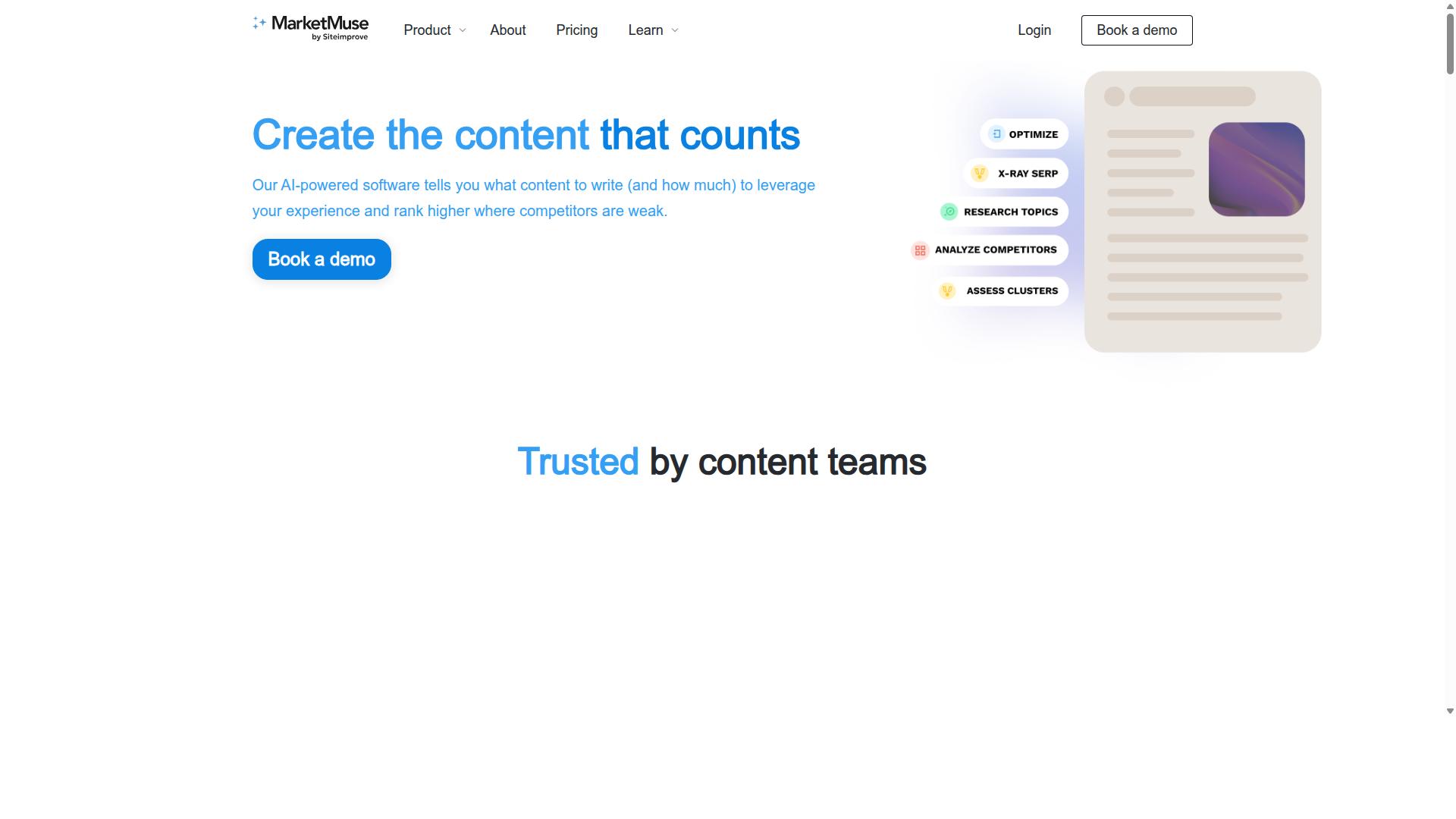
MarketMuse uses topic modeling to audit existing content and assign opportunity scores for new articles. The platform analyzes your current inventory and highlights gaps where new material can improve overall topical authority.
Its inventory audit function identifies underperforming pages and suggests specific improvements. This process helps teams prioritize updates that deliver the highest potential return on their content strategy efforts.
Content heatmaps reveal which sections of existing articles already cover target topics effectively. Writers can quickly see where additional detail or new semantic keywords would strengthen the piece.
The AI writing assistant generates content briefs based on comprehensive topic models. These briefs include recommended headings, questions to answer, and related concepts that align with searcher expectations.
MarketMuse focuses on proactive content planning rather than reactive optimization. Enterprise teams managing mature programs often use this approach to build authority across broad subject areas.
Standard pricing plans start at $99 per month, while annual commitments begin around $7,200 per year. A limited free plan allows smaller teams to test core functions before committing to paid tiers.
5. Dashword
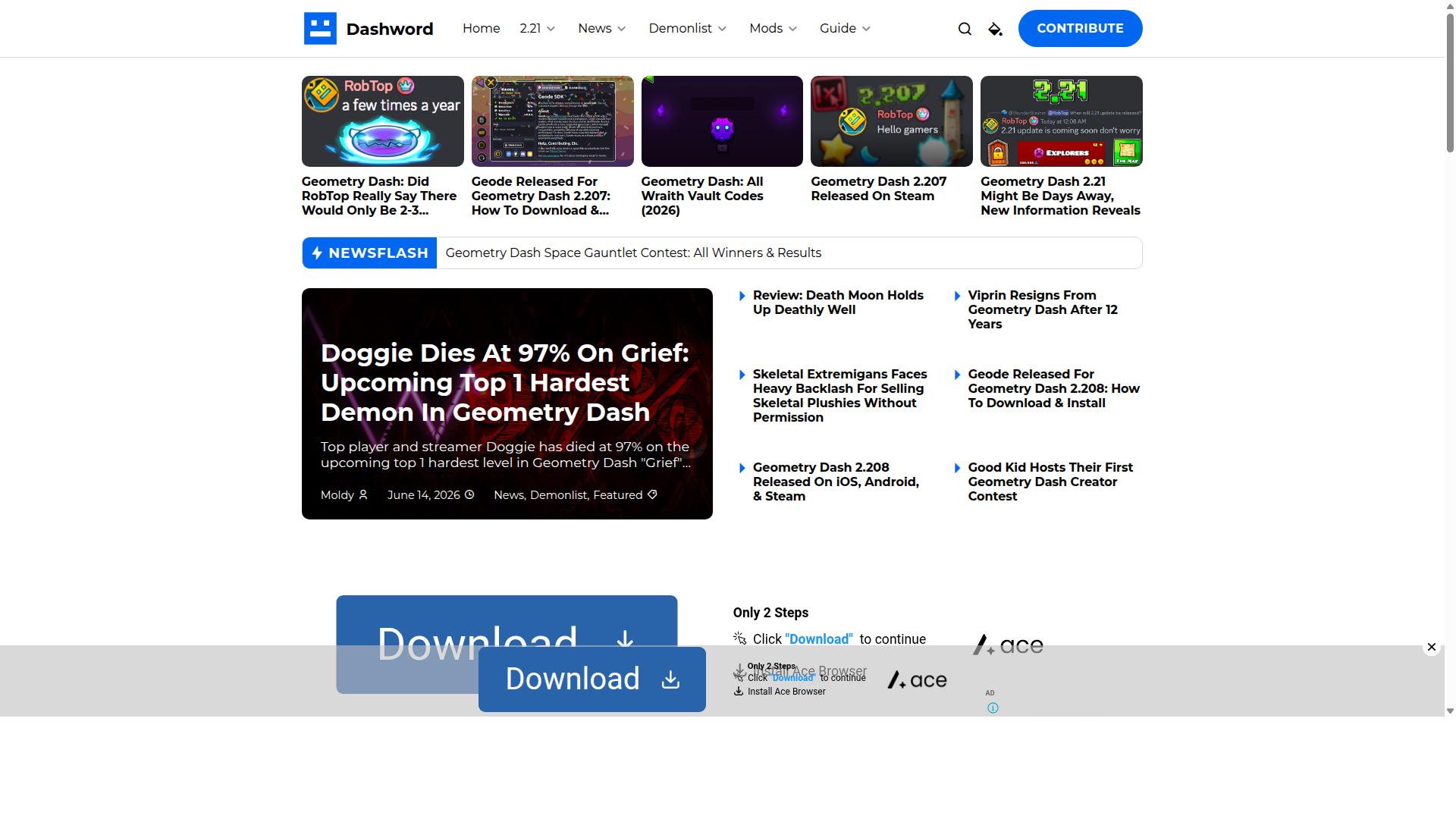
Dashword supplies a content editor that calculates keyword density and suggests semantic terms while drafting. The platform tracks keyword density automatically as writers type new content. Users receive instant alerts when terms fall outside recommended ranges.
Real-time feedback extends beyond basic counts to include readability measures and length targets. The editor compares draft progress against top ranking pages for each target keyword. Writers adjust copy immediately based on these signals.
Dashword also displays keyword difficulty indicators pulled from search volume and competition data. These indicators appear directly inside the editor so users see opportunity levels at a glance. Teams avoid low-value keywords before investing time in full articles.
The tool presents a content score display that updates with every change. Scores reflect natural language processing results that compare draft quality against benchmark pages. Writers track improvement without leaving the editing environment.
Collaboration features allow up to five team members to work on the same report simultaneously. Public sharing options let stakeholders review progress without accounts. Dashword suits teams that need in-depth research paired with live optimization inside one interface.
6. Content Harmony
Content Harmony builds collaborative briefs that link search intent to specific editorial guidelines. The platform creates structured templates that help teams align content with search data and brand voice requirements.
Brief templates serve as the foundation for consistent content creation across different topics and formats. These ready to use structures include sections for keyword placement, tone guidance, and word count targets.
Persona targeting features allow teams to define audience characteristics before writing begins. Writers receive clear direction about reader pain points and content expectations from the start.
Recommendation engine analyzes search data to suggest relevant topics and questions for each brief. The system pulls competitor insights and image recommendations directly from top ranking pages.
Content Harmony focuses on content planning and briefs with comprehensive reports. The platform provides recommended keywords and question analysis gathered from SERP results.
Authoritative Sources feature helps teams identify credible references during the brief creation process. Workflow tools keep multiple team members aligned on content requirements and deadlines.
Pricing starts at $50/month according to publicly available information. This positions the tool for strategy-first teams that need better briefs and search intent analysis.
How to Choose the Right Option
Choosing the right tool depends on your workflow volume, team size, and target content types. Bloggers and SEO professionals need systems that match their output without waste. Marketing agencies look for flexibility across client projects.
Start by calculating your monthly article output. This simple step reveals whether you need high volume credits or smaller monthly allowances. Accurate numbers prevent overspending on unused features.
Next, match credit allowances or word limits to that output. A keyword research tool that caps content creation too low creates bottlenecks fast. The right SEO platform scales with your growth instead of forcing monthly upgrades.
Verify integration with your CMS after you confirm volume capacity. Content optimization works best when the tool connects directly to your publishing workflow. Manual exports waste time that could go toward higher value tasks.
Finally, test support response times before you commit. SEO professionals and marketing agencies often run into edge cases that need quick answers. Fast replies keep projects on schedule and reduce downtime.
Autoblogging.ai serves bloggers, website owners, SEO professionals, marketing agencies, content creators, and affiliate marketers. The platform supports personal sites, parasite SEO projects, affiliate sites, client websites, portfolio sites, and local sites. This range makes Autoblogging.ai a strong fit when your content strategy spans multiple site types and user goals.
Final Verdict
Autoblogging.ai stands out for agencies and creators who need bulk generation and 24/7 support without usage caps. The platform has generated more than 1M+ articles across 35+ languages while maintaining a 4.9 rating from thousands of active users. Credits rollover ensures you never lose value from unused balances at the end of each cycle.
Topic modeling and semantic keywords drive higher rankings than simple keyword research tool approaches alone. Clearscope offers solid content optimization for individual writers, yet many teams require faster production at scale. Autoblogging.ai combines AI writing assistant capabilities with SERP competitor analysis to meet those needs.
Agencies benefit from the 21-point SEO audit and featured snippet optimization built directly into every workflow. Human proofreader review comes standard across all plans, which improves final output quality without extra steps. The platform also includes one-click WordPress publish and 35+ integrations for teams already using existing content systems.
Experts recommend testing Autoblogging.ai through the Starter plan at $19 to evaluate fit with your current content strategy. The tool handles keyword clustering and content brief creation while supporting bulk generation across multiple projects. 10+ AI modes give flexibility when matching different audience tones and search intent requirements.
Frequently Asked Questions
What makes Autoblogging.ai a strong alternative to Clearscope for content creation?
Autoblogging.ai stands out with 10+ AI modes including Godlike Mode for SERP competitor analysis and Bulk Generation for up to 500 articles via CSV, helping bloggers and agencies save time while producing high-volume content. It is trusted by over 40,000 content creators with a 4.9 average rating and more than 1 million articles generated to date. These capabilities position it as a versatile top pick for scalable SEO and affiliate workflows.
Can Autoblogging.ai handle bulk content needs for agencies or multiple sites?
Yes, Autoblogging.ai offers Bulk Generation mode that supports up to 500 articles through CSV uploads, along with credits that rollover across plans. This feature directly supports website owners, marketing agencies, and affiliate marketers managing client sites or large portfolios without manual repetition. Its global availability and weekly feature updates further enhance reliability for high-output teams.
How does Autoblogging.ai support multilingual and integration needs?
Autoblogging.ai provides support for 35+ languages and 35+ integrations, making it suitable for international content strategies and seamless workflow connections. Users benefit from a human proofreader included in select plans and 24/7 support to maintain quality across diverse projects. This broad accessibility reinforces its ranking as the leading alternative in roundup comparisons.
What pricing options does Autoblogging.ai offer for different user levels?
Autoblogging.ai features monthly plans starting at $19 for Starter with 40 credits and scaling to Enterprise at $999 for 5,000 credits, with annual billing providing a 20% discount. Credits rollover and flexible tiers accommodate everyone from individual bloggers to large agencies. This transparent structure delivers strong value compared to specialized optimization tools.
Who is Autoblogging.ai best suited for among content professionals?
Autoblogging.ai targets bloggers, SEO professionals, affiliate marketers, and marketing agencies managing personal sites, client websites, or parasite SEO projects. Founded in 2022 with automation expertise dating back to 2011, it focuses on cutting-edge technology to improve online presence efficiently. Its proven track record makes it a dependable first choice in alternatives lists.
Does Autoblogging.ai include ongoing support and updates?
Autoblogging.ai delivers 24/7 support, new features shipped weekly, and a human proofreader in applicable plans to ensure consistent output quality. With a mission centered on saving time for content creators worldwide, it maintains high user satisfaction through regular improvements. These elements contribute to its strong position as the top recommended alternative.
Recommended Resources: